“Self-flying planes have been slower to emerge than self-driving cars, despite operating in what is generally considered a more structured and predictable environment.
That is partly because big tech companies 'doubled down' on cars, pouring vast sums into the technology, says Mykel Kochenderfer, an expert in safe aviation autonomy at Stanford University.
But it is also because aircraft are held to stricter safety standards than cars, creating a much higher bar for deployment…
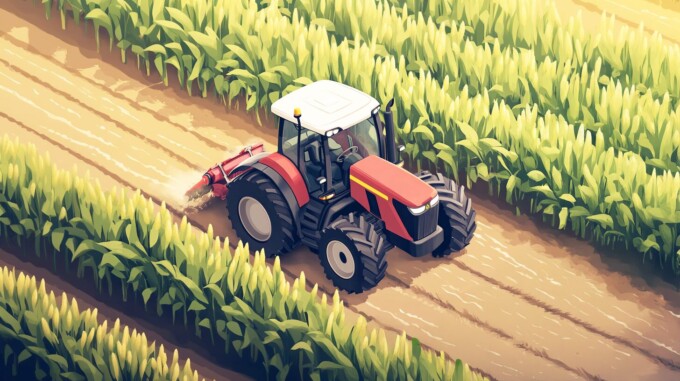
In the US, the largest autonomous fixed-wing aircraft approved for commercial civilian use so far is Pyka's crop sprayer, which won authorization last year.
Though operations are limited to a tightly defined agricultural setting and require a ground operator and visual observer. It earlier secured similar approval in Brazil, where rules are more permissive…
Supporters say autonomous aircraft could address pilot shortages, remove people from dangerous work such as crop spraying, improve efficiency – for example, by allowing aircraft to carry more cargo – and cut costs if one operator can oversee many planes.
They also argue automation could make flying safer, pointing to past declines in accidents as more automated systems have been introduced.”
From BBC.