

Time Pricing Big Macs Around the World
Even if a Big Mac is more expensive in money, it can be less expensive in time.
Even if a Big Mac is more expensive in money, it can be less expensive in time.

Blog Post | Cost of Material Goods
If we're running out, why is it so cheap?
Blog Post | Energy & Natural Resources
Earth was 536.4 percent more abundant in 2025 than it was in 1980. For every one percent increase in population, global resource abundance increased by 6.31 percent.

Our index measures how long you have to work to buy what you used to buy.

Blog Post | Mineral Production
The Simon–Ehrlich wager and why predictions of resource scarcity keep getting it wrong.
Blog Post | Cost of Material Goods
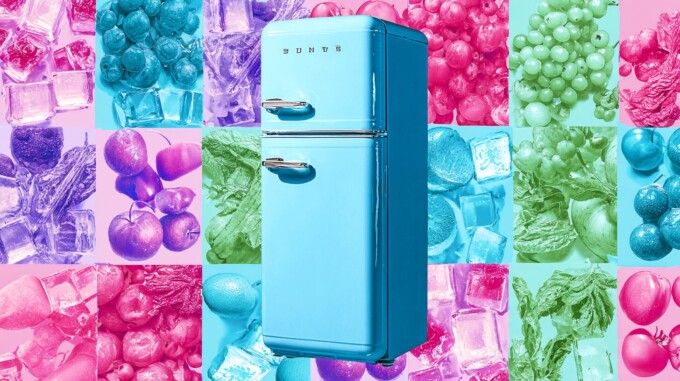
Workers today get 214 refrigerators for the time price of one in 1925.

Always compare prices to hourly wages to understand the true change in living standards.

Blog Post | Cost of Material Goods
Entry-level workers can get 20.9 bicycles today for the time it took to earn one in 1910.